
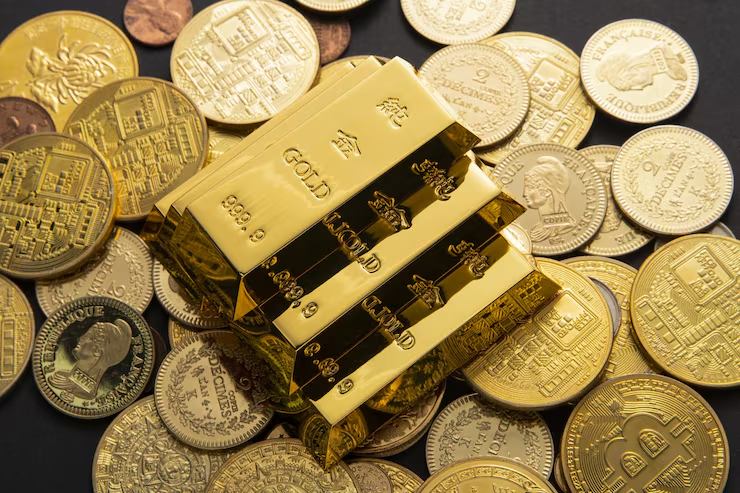
Why Timing Matters When Buying Gold During War
Gold is widely known as a safe haven asset during times of geopolitical tension. However, simply knowing that gold tends to rise during war is not enough. The real opportunity lies in when you choose to enter the market.
The Impact of Market Panic on Gold Prices
During the early stages of conflict, fear spreads quickly across global markets. Investors rush into gold, pushing prices upward. This sudden demand often leads to short-term spikes.
However, buying during peak panic can reduce your potential profits because prices may already be inflated.
How Investor Behavior Creates Price Opportunities
Markets are driven by human emotion. Fear, uncertainty, and speculation create price swings. Smart investors take advantage of these movements by entering before the majority reacts or after the initial hype cools down.
The 3 Phases of Gold Prices During War
Understanding how gold behaves in different phases of war is essential for timing your investment.
Pre-War Tension Phase (Early Opportunity)
This phase occurs when geopolitical tensions begin to rise but before full-scale conflict breaks out. Gold prices usually start increasing gradually.
This is often the best entry point, as prices are still relatively low compared to later stages.
Active Conflict Phase (Price Spike)
Once war begins, uncertainty peaks. Investors move into gold, causing sharp price increases.
While momentum is strong, this is also the most risky phase to enter because prices may already be near their peak.
Stabilization Phase (Correction & Consolidation)
After the initial shock, markets begin to adjust. Gold prices may stabilize or even decline slightly.
This phase can offer a second opportunity to enter, especially after price corrections.
Best Time to Buy Gold During War (Strategic Entry Points)
Timing your entry correctly can significantly impact your returns.
Buying Before Full-Scale Conflict Begins
Entering during rising tensions allows you to benefit from early price movements. This approach requires paying attention to geopolitical signals and global developments.
Entering After Initial Price Pullback
After a sharp increase, gold often experiences a temporary correction. This pullback can be a safer entry point compared to buying at peak levels.
Using Dollar-Cost Averaging During Volatility
Instead of investing all your capital at once, you can spread your purchases over time. This method reduces the risk of entering at the wrong moment.
Dollar-cost averaging works well in uncertain and volatile conditions.
Common Mistakes When Buying Gold During War
Even though gold is considered a safer asset, many investors still make avoidable mistakes.
Buying at Peak Panic Prices
Emotional decisions often lead to buying when prices are already high. This limits potential gains and increases risk.
Ignoring Global Economic Indicators
Gold prices are influenced by multiple factors, including inflation, interest rates, and currency strength.
Investing Without a Clear Exit Strategy
Focusing only on buying without planning when to sell can reduce overall profitability.
Key Indicators to Watch Before Buying Gold
To improve your timing, it is important to monitor key market signals.
Oil Price Movements and Inflation Signals
Conflicts in major regions can push oil prices higher, leading to inflation. This environment typically supports gold prices.
Central Bank Policies and Interest Rates
Lower interest rates tend to make gold more attractive, as it does not generate yield like traditional financial instruments.
Geopolitical Escalation News
Monitoring global developments such as military actions or economic sanctions can help anticipate market reactions.
Short-Term vs Long-Term Gold Investment Strategy
Your strategy should align with your financial goals.
Trading Gold During War Volatility
Short-term traders aim to benefit from price fluctuations. This requires active monitoring and quick decision-making.
Holding Gold for Wealth Protection
Long-term investors focus on preserving value and protecting against inflation and uncertainty.
Action Plan: When Should You Buy Gold Right Now?
If you are considering investing during ongoing geopolitical tensions, a structured approach is essential.
Step-by-Step Entry Strategy
- Monitor global conflict developments
- Wait for early signals or price pullbacks
- Start with a small allocation
- Increase positions gradually over time
Risk Management Tips for Beginners
- Avoid investing all your capital at once
- Set realistic expectations
- Stay informed without reacting emotionally
Conclusion: Timing Is More Important Than Fear
Gold remains one of the most reliable assets during uncertain times. However, success depends not only on owning gold but also on choosing the right moment to enter the market. Does Gold Go Up During War?
By understanding market phases and applying a disciplined strategy, you can make better investment decisions during periods of conflict.
Q&A
When is the best time to buy gold during war?
The best time is usually during early geopolitical tensions or after a price correction, rather than during peak panic.
Should I buy gold immediately when war starts?
Not always. Prices often spike quickly, so waiting for stabilization may offer a better entry point.
Is dollar-cost averaging effective during war?
Yes, it helps reduce risk by spreading your investment across multiple entry points.
What indicators should I watch before buying gold?
Key indicators include oil prices, inflation trends, interest rates, and geopolitical developments.
Is gold better for short-term or long-term investment during war?
Gold can serve both purposes depending on your strategy, whether for short-term trading or long-term protection.